Why Should I Live (And Vacation) In Florida? Discover The Sunshine State’s Best Lifestyle Advantages
Florida offers more than beaches and theme parks—it provides a lifestyle shaped by sunshine, coastal beauty, and year-round recreation. People choose to live and vacation in the Sunshine State because it blends a relaxed pace with endless opportunities for outdoor enjoyment and economic growth. Whether someone seeks a permanent home or a seasonal escape, Florida delivers a balance of comfort, activity, and accessibility that few states can match.
The state’s appeal stretches from its warm climate and diverse regions to its thriving cities and natural landscapes. Residents enjoy no state income tax, while visitors find a mix of entertainment, sports, and cultural experiences that make each trip distinct. Its combination of affordability, lifestyle variety, and natural charm continues to attract newcomers and repeat visitors alike.
Why Florida Is Ideal for Living and Vacationing
Florida offers a combination of warm weather, financial advantages, and cultural variety that appeals to both residents and visitors. Its consistent climate, lack of state income tax, and wide range of lifestyles make it one of the most practical and attractive places to live or spend time in.
Year-Round Sunshine and Warm Climate
Florida’s subtropical and tropical zones produce mild winters and long summers. Average temperatures range from the mid-60s°F in January to the high 80s°F in July. This stability attracts those who prefer outdoor living and want to avoid harsh winters.
The Sunshine State averages over 230 sunny days per year, supporting outdoor recreation such as swimming, boating, and golfing almost year-round. Cities like Miami, Tampa, and Orlando maintain active outdoor communities that thrive on this climate.
While humidity and hurricane season require preparation, many residents find the benefits outweigh the challenges. Access to beaches, parks, and waterfronts supports an active lifestyle that continues through every season.
No State Income Tax Benefits
Florida’s no state income tax policy provides a significant financial advantage for workers, retirees, and business owners. Residents keep more of their earnings, which can offset higher costs in certain areas like housing or insurance.
This tax structure also attracts remote professionals and entrepreneurs. Combined with relatively low property taxes compared to some northern states, the overall financial picture remains appealing for those moving to Florida.
| Financial Factor | Florida Advantage |
|---|---|
| State Income Tax | 0% |
| Average Property Tax Rate | ~0.8% |
| Retirement Income Tax | None |
These savings contribute to Florida’s reputation as a tax-friendly state, especially for retirees seeking to stretch fixed incomes without sacrificing quality of life.
Diverse Lifestyle and Cultural Appeal
Florida’s population includes long-time residents, newcomers from across the U.S., and international communities. This mix shapes a diverse cultural landscape with influences from Latin America, the Caribbean, and Europe.
Residents enjoy a wide range of experiences—from art districts in St. Petersburg to Cuban cuisine in Miami and historic streets in St. Augustine. The state’s cultural variety extends to festivals, food, and music that reflect its global connections.
For vacationers and those considering moving to Florida, this diversity means constant access to new experiences. Whether exploring small coastal towns or major metropolitan areas, Florida offers lifestyles that suit different interests, budgets, and backgrounds.

Top Destinations and Regions in Florida
Florida offers a blend of entertainment, coastal living, and natural scenery that appeals to both residents and visitors. Each region has distinct advantages, from theme parks and nightlife to quiet beaches and historic towns, creating options for nearly every lifestyle and interest.
Central Florida: The Heart of Attractions
Central Florida centers around Orlando, home to world-famous theme parks such as Walt Disney World and Universal Orlando Resort. The area thrives on tourism, yet it also supports growing residential communities with strong job markets in hospitality, technology, and healthcare.
Beyond Orlando, Tampa and Lakeland provide a balance of urban amenities and suburban comfort. Tampa’s waterfront, professional sports teams, and cultural venues attract young professionals and families.
For those seeking outdoor recreation, Central Florida’s chain of lakes and natural springs offer boating, fishing, and swimming year-round. The region’s central location also makes day trips to either coast convenient, adding flexibility for both residents and vacationers.
South Florida: Vibrant Urban Life and Beaches
South Florida combines international culture with coastal living. Miami stands out for its bilingual environment, art scene, and nightlife. The city’s neighborhoods—like Wynwood and Coconut Grove—mix historic charm with modern development.
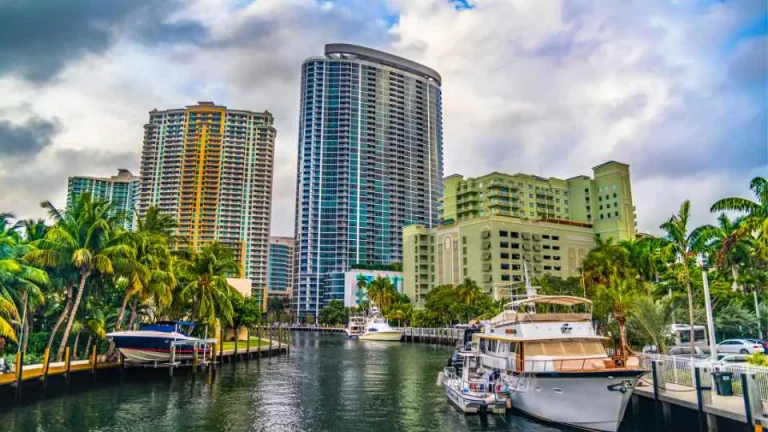
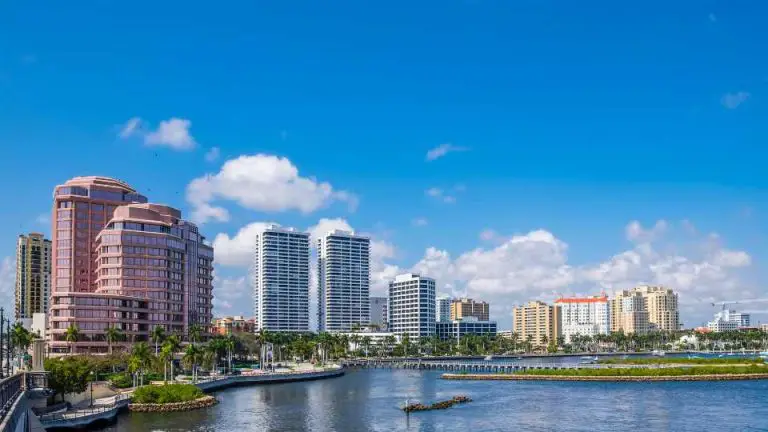
Farther north, Fort Lauderdale and West Palm Beach feature marinas, beaches, and active downtown districts. These cities cater to professionals and retirees seeking warm weather and easy access to the ocean.
The region’s tropical climate supports outdoor living nearly all year. Visitors can explore the Florida Keys, including Key West, known for coral reefs, local seafood, and sunset celebrations. South Florida’s airports and cruise ports also make it a major gateway to the Caribbean.
North Florida: Natural Beauty and Relaxed Living
North Florida offers a slower pace with a strong sense of community. Tallahassee, the state capital, blends government, education, and southern charm. Pensacola, Destin, and Panama City highlight the area’s white-sand beaches and emerald waters along the Panhandle.
Nature lovers find trails, rivers, and springs ideal for kayaking and hiking. Amelia Island and Jacksonville provide Atlantic beaches, historic districts, and professional sports, including the Jacksonville Jaguars.
North Florida’s lower housing costs and smaller cities appeal to families and retirees seeking affordability without losing access to coastal recreation or cultural events.
Gulf Coast vs. Atlantic Coast: Choosing Your Shore
Florida’s two coasts offer distinct experiences. The Gulf Coast, home to Clearwater, St. Petersburg, Naples, and Siesta Key, features calm waters, soft sand, and picturesque sunsets. It suits those who value relaxation, boating, and waterfront dining.
The Atlantic Coast, stretching from Daytona Beach to Vero Beach, delivers consistent surf and a more active beach culture. Cities like Jacksonville and Fort Lauderdale provide larger ports, diverse economies, and direct ocean access.
| Coast | Notable Cities | Beach Type | Common Activities |
|---|---|---|---|
| Gulf Coast | Clearwater, Naples, St. Petersburg | Calm, shallow | Boating, fishing, sunset watching |
| Atlantic Coast | Daytona, Vero Beach, Jacksonville | Surf-friendly | Swimming, surfing, sailing |
Choosing between them depends on lifestyle preferences—tranquil Gulf waters or the livelier Atlantic surf.
Florida’s Outdoor Lifestyle and Natural Attractions
Florida’s environment supports an active lifestyle centered on water, wildlife, and open-air recreation. Its extensive coastline, subtropical climate, and protected natural areas make it a destination where outdoor experiences are part of daily life.
Beaches and Water Activities
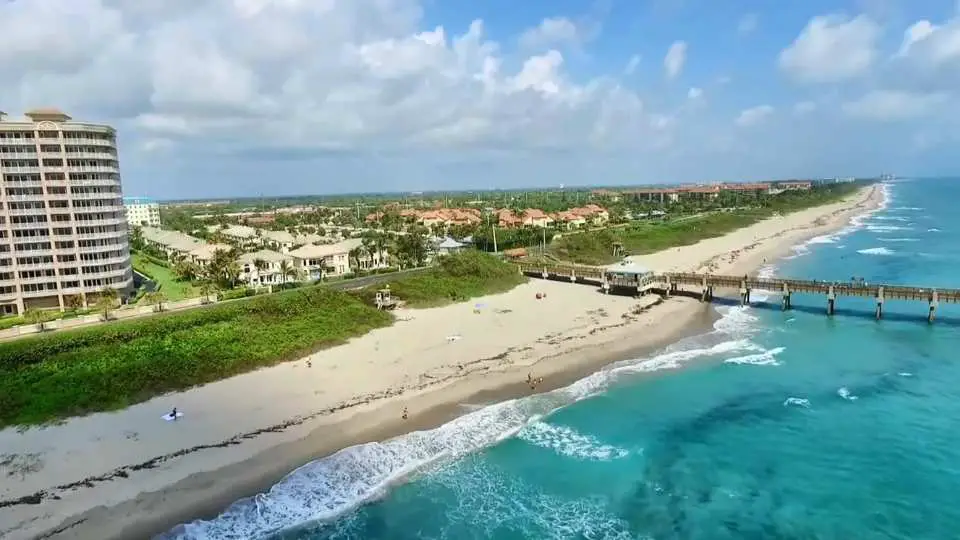
Florida borders both the Gulf Coast and the Atlantic Coast, offering hundreds of miles of accessible shoreline. The Gulf Coast features calm, warm waters ideal for swimming and paddleboarding, with destinations such as Clearwater, Siesta Key, and Destin known for white sand and shallow surf.
On the Atlantic Coast, beaches like Vero Beach and Amelia Island attract visitors with stronger waves suited for surfing and boogie boarding. Coastal towns often provide public piers, marinas, and fishing charters, making boating and deep-sea fishing easy to arrange.
Farther south, Key West and the surrounding islands support snorkeling and diving in coral reefs protected by the Florida Keys National Marine Sanctuary. Clear visibility and abundant marine life make these waters popular among divers and underwater photographers.
| Activity | Recommended Area | Notable Feature |
|---|---|---|
| Snorkeling/Diving | Key West | Coral reefs, marine sanctuaries |
| Paddleboarding | Siesta Key | Calm Gulf waters |
| Surfing | Vero Beach | Consistent Atlantic swells |
| Fishing | Destin | Offshore charters and piers |
Parks, Wildlife, and Unique Ecosystems
Florida’s ecosystems range from subtropical wetlands to pine forests and coastal dunes. The Everglades National Park protects a vast wetland known for alligators, wading birds, and sawgrass prairies. Visitors can explore by airboat, kayak, or boardwalk trail.
Along the Gulf and Atlantic coasts, state parks such as Amelia Island State Park and Lovers Key State Park preserve dunes and mangrove estuaries. These areas host manatees, sea turtles, and migratory birds throughout the year.
In the southern region, the Florida Keys and nearby marine reserves provide examples of coral reef ecosystems found nowhere else in the continental United States. Conservation programs emphasize responsible recreation to protect these fragile habitats.
Year-Round Outdoor Recreation
Florida’s mild winters and long summers allow outdoor activities in every season. Residents and visitors can golf in Naples, cycle along coastal trails near Panama City, or kayak through mangrove tunnels in Vero Beach.
Public parks and recreation areas often include picnic sites, tennis courts, and walking paths. Many communities organize outdoor festivals and farmers markets that take advantage of the consistent weather.
Because temperatures rarely drop below comfortable levels, outdoor fitness and leisure remain part of daily routines. Whether hiking shaded trails or joining a beach yoga class, people find that Florida’s climate supports steady engagement with the outdoors.
Entertainment, Sports, and Iconic Experiences
Florida blends world-class entertainment with professional sports and cultural events that attract visitors and residents alike. From theme parks and space exploration to major league arenas and vibrant nightlife, the state offers a wide range of experiences found in few other places.
Theme Parks and Family Attractions
Orlando anchors Florida’s entertainment scene with Walt Disney World, Universal Orlando Resort, and SeaWorld. These destinations combine thrill rides, detailed environments, and family-friendly attractions. Epcot stands out for its mix of technology exhibits and international pavilions that highlight innovation and global culture.
Families can explore Universal’s Islands of Adventure, home to the Wizarding World of Harry Potter, or visit Legoland Florida for younger children. Beyond Orlando, the Kennedy Space Center near Cape Canaveral offers interactive exhibits and launch viewing areas that connect visitors to NASA’s history and ongoing missions.
Smaller attractions, such as wildlife parks and aquariums, add variety. SeaWorld Orlando and the Clearwater Marine Aquarium let guests observe marine life and learn about conservation efforts. Together, these sites make Florida a leading destination for immersive, educational recreation.
Professional Sports Teams and Events
Florida hosts teams in every major U.S. professional league. The Miami Heat and Orlando Magic represent the NBA, drawing packed arenas throughout the season. In the NFL, the Miami Dolphins, Tampa Bay Buccaneers, and Jacksonville Jaguars bring statewide fan excitement.
Baseball and hockey also have strong followings. The Tampa Bay Rays and Miami Marlins offer affordable, family-friendly games, while the Florida Panthers and Tampa Bay Lightning keep hockey fans engaged year-round.
Major events extend beyond team sports. The Daytona 500, held each February at Daytona International Speedway, stands as one of motorsport’s premier races. Golf tournaments, tennis championships, and spring training camps further reinforce Florida’s reputation as a hub for athletic competition.

Cultural Festivals and Nightlife
Florida’s cultural calendar reflects its diversity. Miami hosts major events such as Art Basel Miami Beach, Calle Ocho Festival, and numerous film and music festivals that showcase local and international talent.
Cities like Tampa, Orlando, and St. Petersburg feature annual food, art, and heritage festivals that highlight regional traditions. These events often combine live music, open-air markets, and culinary showcases.
Nightlife ranges from Miami’s waterfront clubs and rooftop bars to Orlando’s entertainment districts and beachside lounges. Visitors and residents enjoy a mix of Latin, jazz, and contemporary music scenes that keep Florida active well into the night.
Cost of Living, Housing, and Economic Opportunities
Florida offers a mix of affordability, economic growth, and regional variety. While some coastal cities command higher prices, many inland areas provide reasonable housing, steady job growth, and a cost of living close to the national average.
Affordable Housing and Real Estate Trends
Housing in Florida varies by region. Cities like Jacksonville, Tampa, and St. Petersburg often offer more affordable options than coastal centers such as Miami or Naples. Median home prices remain slightly above the national average, but property taxes are comparatively low, helping offset higher housing costs.
In 2024, the state minimum wage rose to $12 per hour, influencing affordability and rental markets. Buyers moving to Florida often find newer developments in suburban areas around Orlando and Tampa, where construction continues to meet population growth.
Seasonal demand affects pricing. Home values may rise during winter months when tourism peaks and decline slightly off-season. Those seeking a Florida home for year-round living can benefit from monitoring these fluctuations.
| Region | Median Home Price | Relative to U.S. Average | Notes |
|---|---|---|---|
| Jacksonville | Below Average | -9% | Affordable for families |
| Tampa | Near Average | +2% | Steady growth |
| Orlando | Slightly Above | +3% | Strong rental demand |
Strong Job Market and Growing Industries
Florida’s economy benefits from diverse industries including tourism, healthcare, technology, and aerospace. Major employers in Orlando and Tampa drive steady job creation, while St. Petersburg supports a growing financial and tech presence.
The state’s tourism sector continues to generate millions of jobs, supported by attractions, hospitality, and retail services. However, long-term growth increasingly comes from logistics, renewable energy, and professional services.
Low state income taxes attract entrepreneurs and remote workers. Many professionals moving to Florida cite the combination of business incentives and lifestyle benefits as key reasons to relocate. Economic forecasts project continued expansion through 2026, with job growth slightly above the national rate.
Cost of Living Comparison
Florida’s overall cost of living sits close to the national average but varies by city. Groceries, utilities, and healthcare often cost less than in other large states, while housing and insurance can be higher near the coast.
For retirees and families, affordable inland cities balance expenses with access to major amenities. Jacksonville and Tampa remain popular choices due to lower transportation and housing costs.
| Expense Category | Florida Average | U.S. Average | Difference |
|---|---|---|---|
| Housing | 103.1 | 100 | +3.1% |
| Groceries | 97 | 100 | -3% |
| Healthcare | 95 | 100 | -5% |
| Utilities | 99 | 100 | -1% |
Those moving to Florida should compare regional costs carefully, as living in Orlando or St. Petersburg may differ significantly from smaller inland communities.
Are you interested in owning a home in Florida?
To help our audience with buying or selling a home in Florida, Endless Summer has affiliated with Quantum Realty Advisors, Inc. (“Quantum”) which is a licensed Florida real estate company that has been in business since 1998.
From less than $500,000 to more than $5 million, the Quantum team will be happy to assist with your vacation home buying process. Quantum’s experienced real estate advisors will take the time to discuss exactly what your are looking for in a vacation home as well your what will fit into you budget.
When you are ready to begin, they will be with you every step of the way. Click here to contact the team at Quantum.